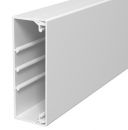
Cable channels are used to organize and hide cables, offering aesthetics and protection to the cable infrastructure. They are commonly used in buildings, offices, homes and industrial sites.
Most often cable channels are applicable in:
Electrical installations: Cable ducts are used in building electrical installations to hide electrical cables along walls, ceilings and floors. They provide not only cable protection, but also the possibility of easier management of the cable infrastructure.
Offices and computer networks: In office buildings and computer centers, cable ducts are used to hide network cables, electrical cables and communication cables.
Telecommunications: Cable ducts are used in telecommunications systems to organize and protect the cables associated with telephony, Internet and other communication services.
Industrial applications: In industrial sectors, cable ducts provide cable protection from mechanical damage and external influences. They can be used in factories, warehouses and production sites.
Cable ducts, depending on the application and the place of operation, vary in size and material of manufacture, also with or without a cover or flexible.
The most common cable channels are:
Plastic Ducts: Made of plastic, these ducts are lightweight, easy to install and maintain. They are often used in homes and offices.
Metal channels: They are made of metal and provide a greater degree of protection and resistance to mechanical impacts. They are often used in industrial environments.
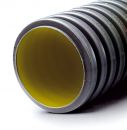
Corrugated conduits: Flexible and easy to bend, corrugated conduits are suitable for applications where flexibility and organization of complex cable structures are required.
For floor installation: They are designed to be installed under floors and provide a hidden path for cables.
The choice of type of cable channel, material and installation depends on the specific needs of the project and the conditions of the construction of the electrical installation. Cable channels are usually sold with a length of 2 m, therefore, when designing the electrical installations, it is necessary to foresee and calculate the cable accessories to the cable channel, such as internal and external corners, connecting elements, caps (plugs). It is important to analyze the installation conditions and consider the fasteners such as dowels, screws, mounting adhesives and silicones.
Corrugation for cables
Cable conduit, also known as corrugated conduit, is used to protect and organize cables in a variety of above ground and underground applications. It offers physical protection, abrasion resistance and cable management.
Most commonly, corrugated conduits for cables are applicable in:
Electrical installations: The wafer is used in building electrical installations to protect electric cables from physical impacts, moisture and other external influences. This includes homes, offices and industrial sites.
Automotive industry: In the automotive industry, corrugated is used to protect automotive cables from mechanical damage and external influences.
Telecommunications: In telecommunications systems, corrugated is used to organize and protect cables placed on ground or underground installations or inside buildings.
Industrial applications: Wafer is used in various industrial sectors where strength and protection of cables are required.
Corrugated pipes, depending on the application and place of operation, vary in diameter and material of manufacture.
The most common wafers are:
Metal corrugation: They are made of metal and provide a high degree of physical protection. Can be galvanized or stainless for corrosion resistance.
Plastic Wafer: Made of plastic, these wafers are lightweight and corrosion resistant. They are often used in electrical and telecommunication applications.
Nylon corrugation: Flexible and light, nylon corrugations are suitable for places where flexibility and protection from external influences are required.
Rubber Corrugation: These are used to protect cables in high temperature and moisture conditions.
The choice of type and material of corrugated pipe depends on the specific requirements of the electrical installation and the working conditions.